Currently Recruiting Master's Students / 正在招收硕士研究生
Join the GLAD Research Group / 加入 GLAD 课题组
We are continuously looking for self-motivated Master's students and visiting scholars with backgrounds in Atmospheric Physics, Atmospheric Remote Sensing, Optics, or Data Science.
常年招收具有大气物理、大气遥感、光学或数据科学背景的硕士研究生、访问学者。
Application Inquiries / 申请咨询
Beijing, China / 北京
Please send your CV, transcripts, and a brief description of your research interests directly to:
请将个人简历、成绩单及研究兴趣简述发送至邮箱:
What you'll actually do here / 进来之后你会做什么
Four threads run through every project in the group. / 组内每个课题都绕不开这四件事。
01 · Instrument / 仪器
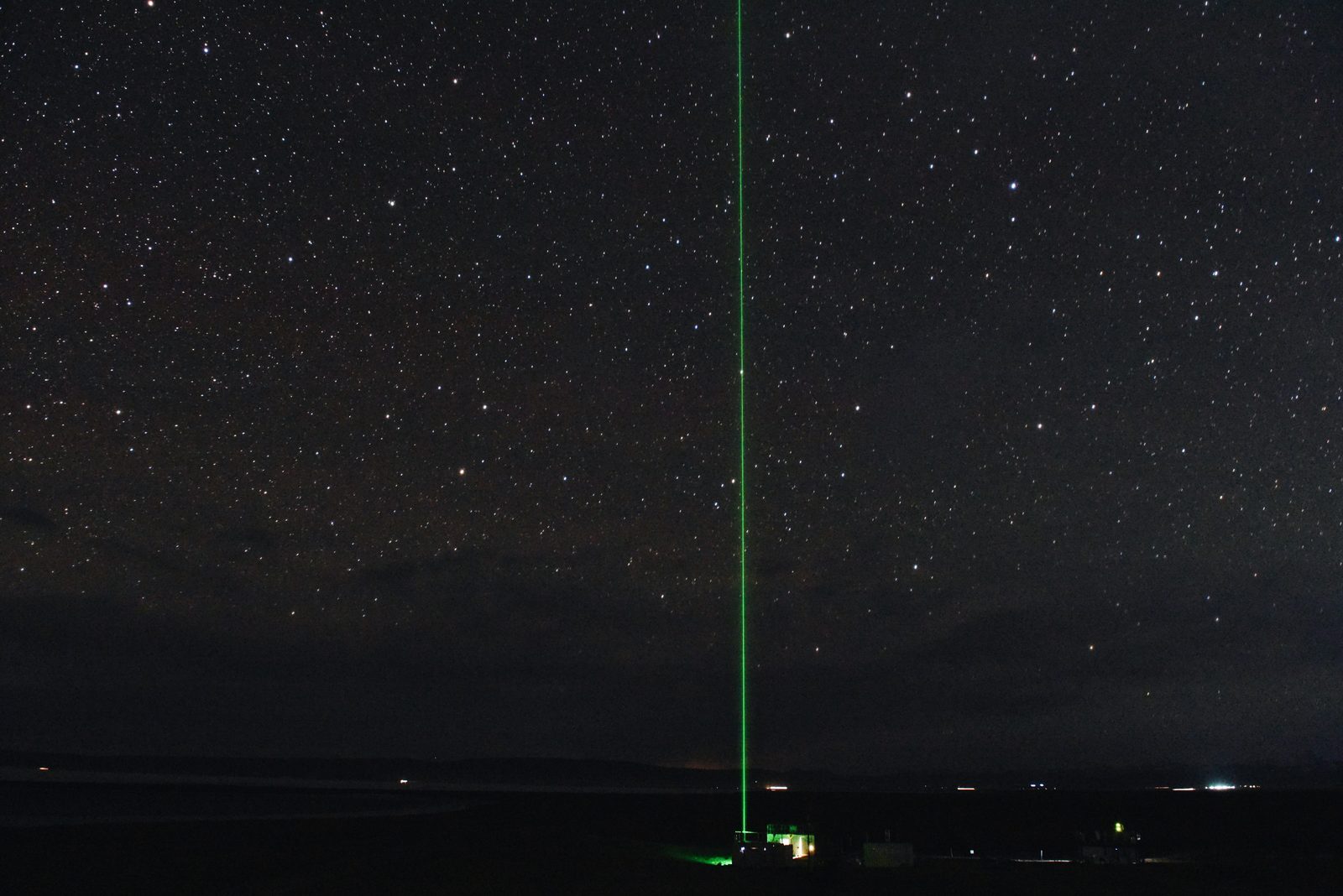
Assemble, align, and troubleshoot lidar optics — from bench to field shelter. 参与激光雷达光路的搭建、调校与排障,从实验台到外场方舱。
02 · Data / 数据
Turn raw signals into profiles and statistics with quality-control and retrieval pipelines. 用数据质控/反演流程把原始信号变成廓线与统计结果。
03 · Fieldwork / 外场
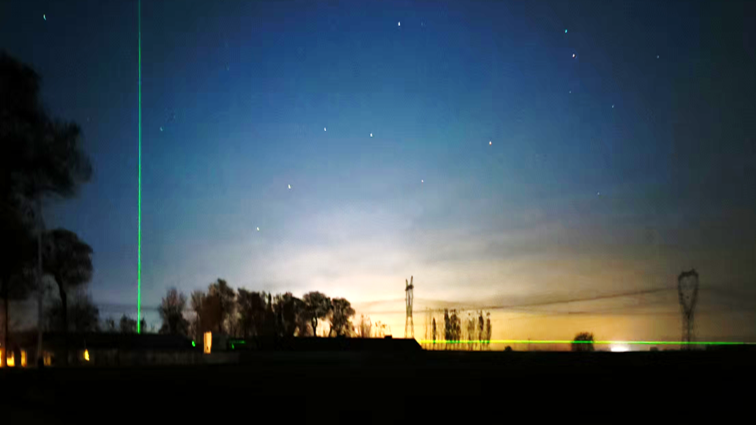
Join campaigns for fog seasons on the North China Plain and cloud experiments on the plateau. 参加华北雾季与高原云物理等外场观测试验。
04 · Writing / 写作
Write papers, present at conferences, and learn to defend your ideas. 撰写论文、参加会议报告,学习为自己的观点辩护。
Frequently asked / 常见问答
What backgrounds fit the group? / 什么专业背景适合?
+
Atmospheric, environmental, remote sensing, optics, electronics, or data science — motivation and willingness to learn matter more than the exact major name. 大气、环境、遥感、光学、电子或数据科学均可;动力与学习意愿比专业名称更重要。
Recommendation (baoyan) or entrance exam (kaoyan)? / 保研还是考研?
+
Both routes are welcome; admission follows the CAMS Graduate School announcements, so check the official timeline and contact me early either way. 两条路径都欢迎;录取以研究生院公布为准,建议关注官方时间线并尽早联系。
Should I email before applying? / 需要提前邮件联系吗?
+
Yes — send your CV, transcripts, and a short statement of interest; I read every serious inquiry carefully and reply as soon as I can. 建议先邮件附简历、成绩单与兴趣简述;我会认真阅读每封来信并尽快回复。
Stipend and support? / 补助与待遇如何?
+
Stipends follow the top standard of the CAMS Graduate School; fieldwork and conference costs are covered by research projects. 补助参考研究生院最高标准执行;外场与会议费用由课题承担。
English requirements? / 英语要求高吗?
+
Reading papers and writing in English are part of the daily work; CET-4/6 is a useful baseline and we build the rest together in the group. 读文献与英文写作是日常;四六级是有用的基础,其余在组内共同提高。